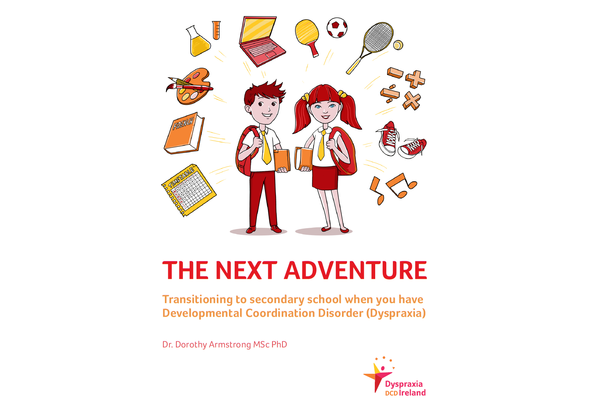
Second Level Education – Supporting Strengths and Growth
Moving to second level school is a big change for any young person. It brings new routines, subjects, teachers, and social expectations. For a child with Dyspraxia/DCD, this transition can take longer and feel more overwhelming. While many students settle in within a few weeks, a child with Dyspraxia/DCD may need extra time and support to feel confident and secure.
These students often have great determination and creativity, but they may still be developing social skills and can feel pressure to “fit in” or appear more mature. When they feel misunderstood, frustration can show up as challenging behaviour at home or school. This isn’t a lack of ability, it’s a sign they need reassurance and strategies that work for them.
Because Dyspraxia/DCD affects organisation and coordination, tasks like remembering homework, finding classrooms, or recalling teachers’ names can remain difficult for months. They might get lost or feel disoriented more often, but with clear routines, visual supports, and patient guidance, they can build confidence and independence over time
Downloads